BRUJUSA working conversation
Draft 01Leave feedback

Prepared for Justin · By Ricky & Codex

A family business.
A Georgetown story.

The work already has character. Let’s give the story the same personal touch.

A first About Us draft, a few practical website improvements, and a place to shape what comes next.

Read your story About 8 minutes · November 8, 2026
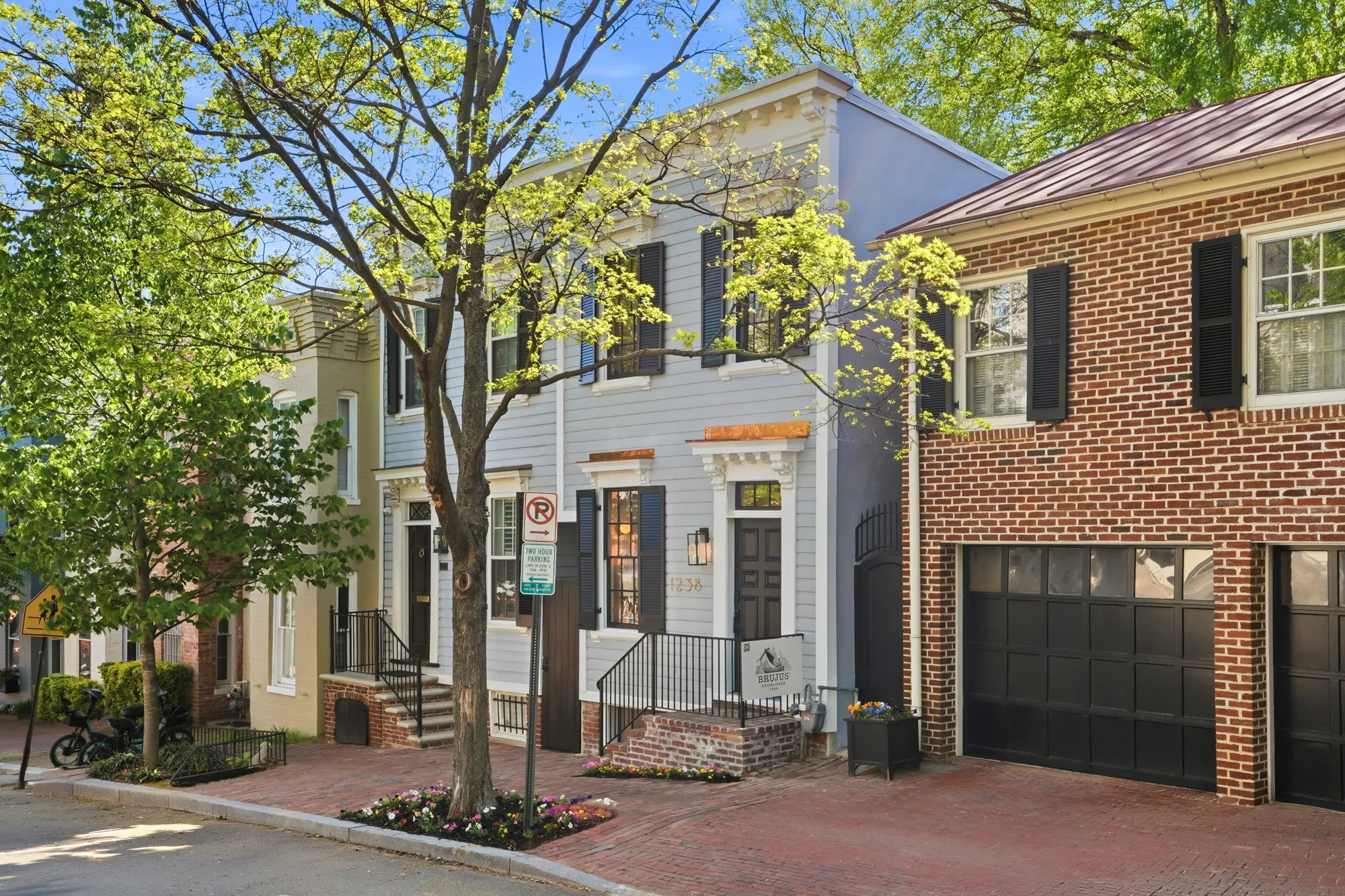
Casa Ulivo on its tree-lined Georgetown street
Casa Ulivo · GeorgetownFrom the Brujus portfolio ↗

01 / The narrative

Your name.
Your point of view.

First-person draft

Lead with the person a homeowner will trust. Let the family history support that relationship. The words below are proposed copy in Justin’s voice, not an approved statement.

What’s settled, what’s still a draft

The founders, expansion, brothers, and neighborhood connection come from your outline. The year and services come from Brujus.com. Personal beliefs are suggested language for Justin to approve. Puglia and school details stay outside the main narrative until confirmed.

BRUJUS / OUR STORYDraft 01

01 · Justin & Georgetown

A personal connection to the homes we build.

I’m Justin Bilotti. I live in Georgetown, and I lead Brujus alongside my brother, Bruce. For me, the homes here are part of the neighborhood I call home: individual, full of history, and worth taking care of.

Through Brujus, I work with homeowners who want to make a distinctive house their own. That may mean restoring the details that give it character, rethinking how its rooms work, or bringing a new vision to life. My interest is in the whole home: what makes it special today, and how it can serve the people who will live there next.

Editorial note

Confirm Justin’s preferred title and how directly he works with each homeowner. The personal point of view is proposed copy for his approval.

02 · The family business

Built on a family foundation.

Brujus began in Philadelphia, founded by Bruce and Renee. Established in 1994, the business grew beyond the city, with work reaching North Carolina, the New York metropolitan area, and Florida. Today, my brother Bruce and I carry that family business forward.

That history matters to me because a family business carries a personal responsibility. The work represents us. The relationships matter beyond the last day on a project. I want people to know who is behind their home, who is listening, and who cares about the result.

Editorial note

Founder names and expansion regions come from the supplied outline; 1994 appears on Brujus.com. Confirm chronology and distinguish founding Bruce from Justin’s brother Bruce. No parent/child relationship has been assumed.

03 · The work

Respect for what is there. A vision for what comes next.

A Georgetown house asks you to pay attention. Its original windows, timber, proportions, and exterior details are part of its identity. Making it work for contemporary life means understanding what should be preserved, where change belongs, and which questions need to be answered before work begins.

Brujus brings together residential construction, renovation, historic restoration, and development. The projects differ, but the ambition is consistent: homes with character, carefully considered materials, and spaces that feel right for the people who use them.

Living here makes that work personal. I care about the home we leave behind and the neighborhood around it. If you are thinking about the next chapter of your Georgetown home, I would welcome a conversation.

Editorial note

These services appear on the current site. Add one verified project example here next. This draft does not claim a particular approval record or guarantee an outcome.

Suggested website buttonDiscuss your home ↗Copy recommendation only
A shorter bio for the homepage

Justin Bilotti leads Brujus alongside his brother, Bruce. A Georgetown resident, Justin focuses on distinctive homes through residential construction, renovation, historic restoration, and development. Founded in Philadelphia by Bruce and Renee in 1994, Brujus brings a family-business perspective to the homes and relationships it builds.

Optional · verify first

The Puglia thread

Use one honest connection, not an invented family legend. Don’t imply generations of stonemasons or an immigration story we haven’t heard.

“My family’s roots are in Puglia, in southern Italy. [One true memory, person, or tradition.] That connection still shapes [a specific, genuine influence on my work today].”

This is a writing scaffold, not publishable copy. Confirm the family branch, town, and actual story first.

Editorial recommendation

Neighbor first. Family detail by choice.

Yes to living in Georgetown. It makes the local connection specific and relevant. “I’m raising my family here” is a warmer alternative if Justin wants it.

Leave the child’s school out for now. The neighborhood connection stands on its own. If Justin later wants to name Trinity, confirm which institution and his preferred wording; keep it a brief biographical detail, not a credential or implied endorsement.

02 / The website

Keep the character.
Make the invitation clearer.

Brujus already communicates care, distinctive materials, and an established business. The next step is making it obvious why a Georgetown homeowner should hire Justin for their particular house.

What’s already working

  • Named developments, galleries, and visible project statuses make the work concrete.
  • Restoration specialties—sash windows, timber siding, façades, and metal roofs—speak to real homeowner needs.
  • A consistent premium voice, a local address, direct contact details, and listed license numbers support credibility. Current license status was not independently verified.
  • The separate commercial page gives that business a clear home.
01
Small · first

Give homeowners their own front door.

What we saw. The homepage and portfolio emphasize Brujus developments. The homeowner who wants to hire Justin has a less direct path.

What to do. Introduce “Discuss your home” alongside “Explore our developments.” Lead the homeowner route with Georgetown restoration and renovation, then link to Justin’s story.

Where Ricky can help. Ricky could help with the homepage copy, two clear buttons, and service-specific inquiry links.

02
Medium · content-led

Turn beautiful projects into convincing stories.

What we saw. The existing project pages describe materials and atmosphere well. They say less about the constraints and decisions behind the work.

What to do. Publish two case studies with the homeowner’s brief, historic or technical constraint, Justin’s role, solution, and result. Add approved before/during/after images and one specific client quotation.

Where Ricky can help. Ricky could build a reusable case-study layout. Justin supplies the facts, approved imagery, and permission to quote.

03
Small–medium

Explain the Georgetown experience.

What we saw. The expertise page already lists valuable specialties: period sash windows, timber siding, façades, gates, and metal roofs.

What to do. Create a focused Georgetown page: common homeowner needs, relevant work, actual design/review coordination responsibilities, and the steps from first conversation to completion. Link to official guidance; make no approval guarantees.

Where Ricky can help. Ricky could assemble the page and FAQ after Justin confirms his role and process.

04
Small · quick win

Make each inquiry feel considered.

What we saw. Development inquiry links lead to the same generic contact page. Its interest field defaults to “A Brujus residence.” Casa Ulivo is marked sold but still invites an inquiry about that residence.

What to do. Carry the selected project or service into the form. For sold work, use “Discuss a similar project.” Say who responds and what happens next, using a response window Justin can reliably meet.

Where Ricky can help. Ricky could wire up the context, labels, and confirmation copy without rebuilding the site.

05
Small–medium

Keep the polish; improve discovery and speed.

What we saw. Several restoration JPEGs are roughly 1.5–2 MB. The expertise page references about 10.8 MB of unique images, including lazily loaded images. Titles, descriptions, robots.txt, and a sitemap are already present.

What to do. Serve smaller responsive images, complete canonical tags and accurate business structured data, inspect indexing in Search Console, and measure qualified inquiries by service. Development updates can follow once someone owns the publishing rhythm.

Where Ricky can help. Ricky could handle the technical cleanup and measurement; avoid adding a chatbot or portal until a real need appears.

A manageable first step

The story. One case study. A clearer inquiry path.

Start there, then add a Georgetown service page. Effort labels assume access to the current website project and approved content; they are relative scope, not time or cost quotes.

What was actually checked on Brujus.com

Review date: November 8, 2026. All ten public pages returned successful HTTP responses. The first resource check covered 86 image/script resources; a separate check covered 38 stylesheet and JavaScript module URLs. Those resources loaded with browser-style requests; some default automated requests were blocked. These sets overlap.

Robots.txt and the sitemap were available. Contact code includes required fields and sending, success, and error states. Project links all led to a generic contact page. Most reviewed pages lacked canonical tags, and no structured-data blocks were found in their HTML.

Not yet verified: live mobile layout, interactive menus/galleries, keyboard behavior, and actual inquiry delivery. The initial review’s browser access was blocked by the locked Mac. No test inquiry was sent. Successful HTTP requests are not an end-to-end functional certification.

A site-specific search did not surface Brujus pages in the search engine used. That is a reason to check Search Console, not proof that Google has not indexed the site.

03 / Five questions

The details
only you can give us.

A few sentences per answer is plenty. Specific memories and real examples will make the second draft sound like Justin.

01

What is the family story only you can tell?

How are Bruce and Renee related to you, what did each bring to the business, and what is one specific thing they taught you about doing good work? Confirm the founding year and the order of the expansion.

02

What actually connects the family to Puglia?

Who emigrated, from which town, and when? Is there a real memory, object, building tradition, or family habit that still influences you? A single true detail will do more than a grand origin story.

03

What makes Georgetown home for you?

How long have you lived here, and what everyday place or experience captures your connection? Would you rather say “I live in Georgetown” or “I’m raising my family here”? A school name is optional, not needed to establish local ties.

04

Which difficult house best explains your value?

Tell us about one historic-home project: what the owner needed, the constraint, your exact role, the decision you made, and the result. What can we show publicly, and may we use before-and-after photos or a client quote?

05

What will a homeowner experience with you personally?

How do you and Bruce divide responsibilities? Which conversations, site visits, or decisions do you personally handle? What type and size of project do you most want now—and what would make you turn one down?

04 / The thinking

Personal.
Specific. Credible.

A short research pass informed the structure. These are general usability findings; the Justin-first treatment is our editorial recommendation for this business.

01

Put the useful introduction first.

Readers should quickly understand who is behind the business and what it does. NN/g recommends a short About-page summary, clear language, authentic imagery, and supporting company details. For Brujus, that means Justin and the homeowner’s needs before a long chronology.

Nielsen Norman Group · About Us research (2019) ↗
02

Let the story work for a skimmer.

Start with the most important point and follow with supporting detail. Short sections let someone understand the offer even if they stop early. That’s why the local connection leads and the expansion history stays compact.

Nielsen Norman Group · Writing for comprehension (2018) ↗
03

Make trust verifiable.

Stanford’s foundational credibility guidance emphasizes real people, visible expertise, contact information, and evidence behind claims. Apply it with a real portrait of Justin, accurate responsibilities, a project example, and an approved client quote.

Stanford · Web credibility guidelines (2002) ↗
04

Be precise about historic work.

Official Georgetown guidance explains that exterior changes associated with interior renovations can require review. Its window policy favors preserving historic windows where possible. Describe Brujus’s actual role; link to official guidance and avoid approval promises.

CFA · Old Georgetown FAQs ↗CFA · Window policy ↗
Images to gather for the final About page

One real portrait of Justin in a project or neighborhood setting; one photo of both brothers; an archival image of Bruce and Renee if available; and one detail from an actual restoration. The image in this review comes from Brujus’s existing Casa Ulivo page. No substitute founder portraits or invented historic images.